
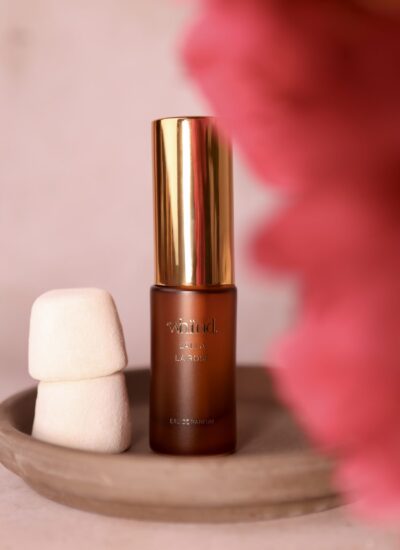
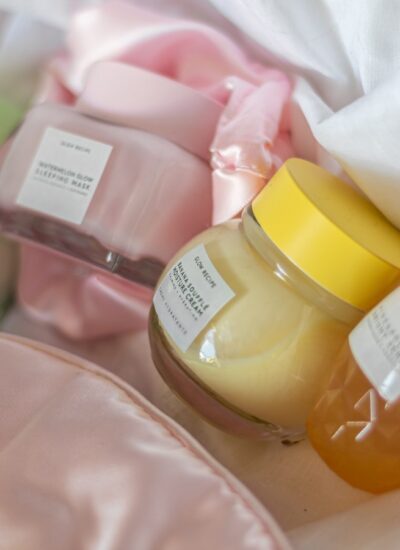
Make-up products can seem incredibly harmless at first glance – small bottles, tubes or compacts which are easy to misplace and replace, and which shouldn’t cause any bother besides the trouble it takes to correctly apply them.

But the uncomfortable truth is that the cosmetic industry has been damaging, both in terms of human and environmental cost.


Every purchase we make has a knock-on effect, whether this is the method by which materials are extracted or the way in which the bi-products are disposed of.
It’s important to make the right choices, for the following reasons:
1: sustainability

From growth to harvesting to processing to production, the various elements that go into making lipstick or concealer or any of the other products commonly bought all leave their mark.
Many companies have come under fire for the unsustainable ways they have undertaken this process. The sector as a whole generated 142 billion units of packaging in just one year– last year. Despite claims, most of this found its way to the sea or into landfills.
Most companies utilise a wide variety of chemicals in their manufacturing, for the simple reason that it allows for longer shelf lives, as well as granting certain aesthetic benefits, such as textures and feels. These chemicals find their way into water systems, causing further harm to the environment around them.
There are ways of checking how damaging the products we buy are to the environment.
Aside from obvious things, like the publication of sustainable policies by the companies themselves, organisations such as the Environmental Working Group have launched a verification label, to allow consumers to identify whether the make-up comes from environmentally friendly sources.
2: ethics

Most companies, if given the opportunity, jump at the chance to tell the world that they oppose slavery and the use of child labour. However, within the cosmetic industry, the risk of this happening still persists.
Among the ingredients commonly associated with makeup, such as palm oil and petroleum, the one given the least amount of attention is mica.
Most of the production of this mineral is centred around certain regions in India with high levels of poverty, around 35% of the population.
In such an unregulated industry, reports of child labour have been widely reported, due to a mixture of indentured servitude and violence.
3: accountability

Arguably what this comes down to is that your make-up choices matter because it ensures that the companies remain accountable not to their shareholders or corporate officers, but to the consumers themselves.
A poll by Futerra, done across both the US and the UK, found in a survey of 1000 consumers, 96% say they consider a company’s ethical and sustainability recordwhen deciding where to make purchases.
By forcing companies to change their behaviour to suit the demands of the market, such as only buying from companies who divert the vast majority of their waste away from the landfill or do not use unregulated sources for their materials, then the knock-on effects reduce the environmental and human costs of the industry.
If You Like This Blog Post, You Might Like My Other Makeup Skincare Haircare And Lifestyle Reviews. Please Contact Me To Let Me Know If There Are Any Products You Would Like To See Me Review.
**FRIENDLY REMINDER: THIS POST MAY CONTAIN AFFILIATE LINKS THAT HELP OUT A LOT IF YOU CHOOSE TO PURCHASE FROM THEM (IT DOESN’T COST YOU ANYTHING EXTRA). I WILL ALWAYS TELL THE 100% TRUTH





Leave a Reply
You must be logged in to post a comment.